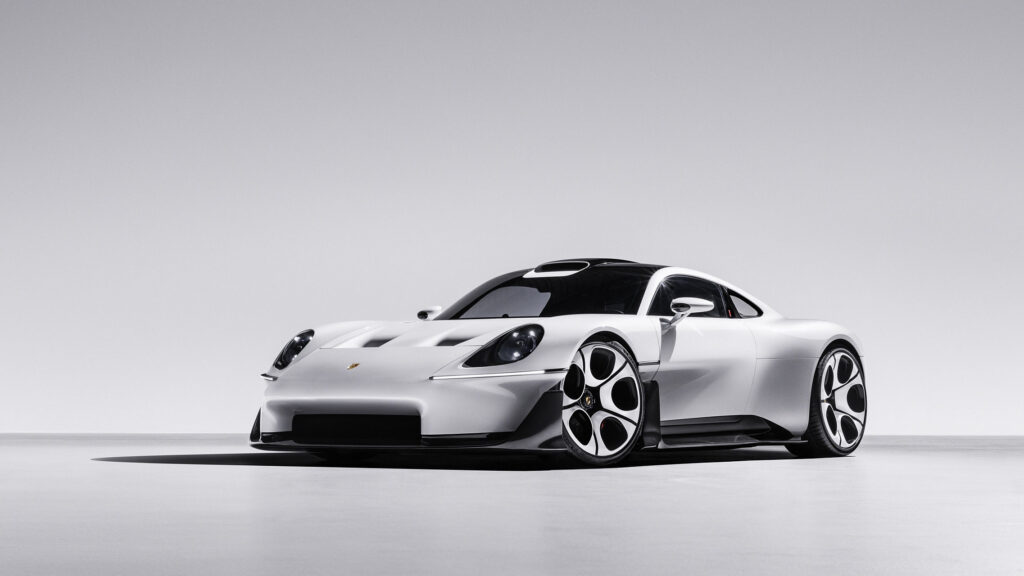
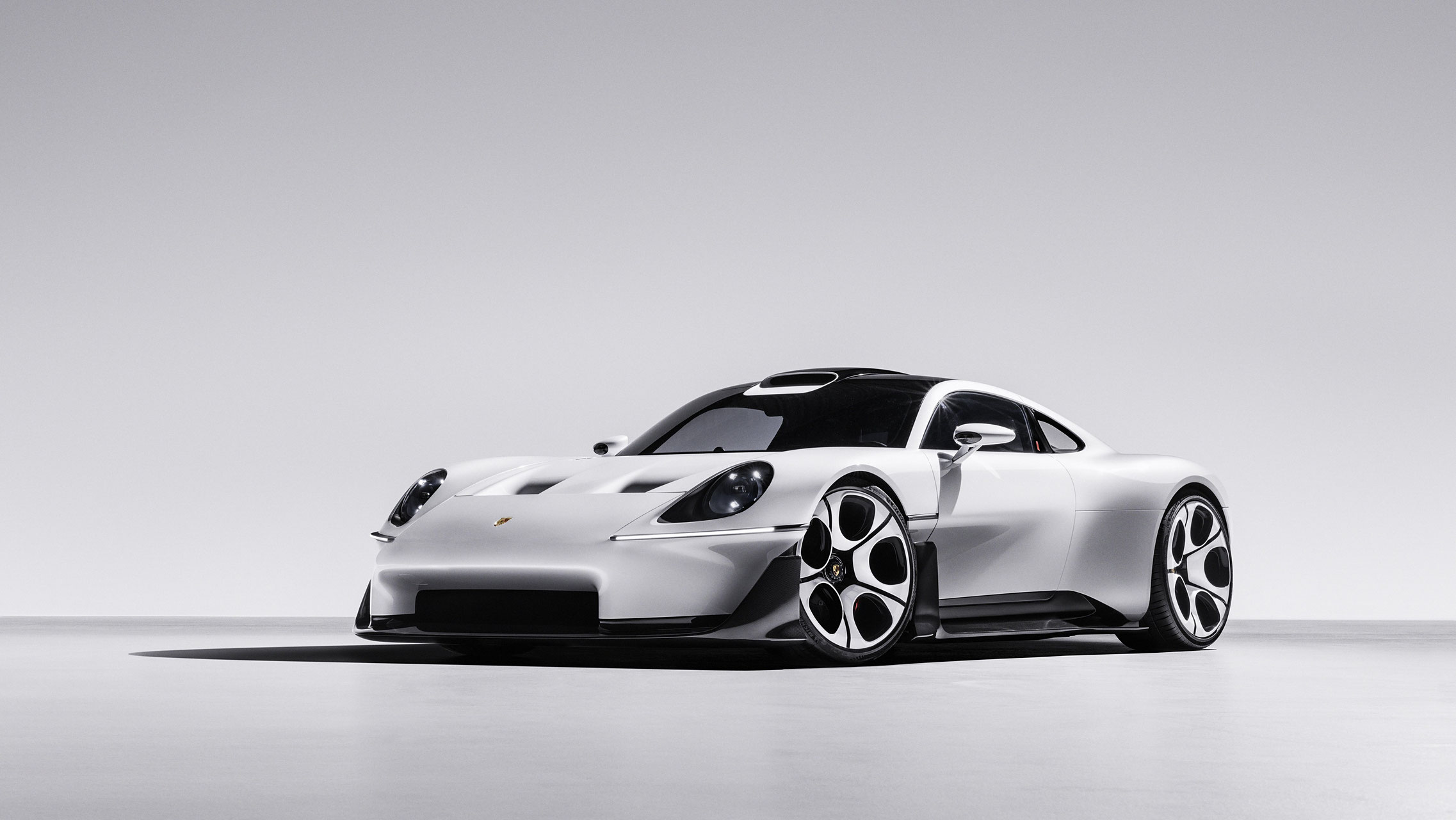
Porsche revealed the Mission S vision model on October 15 on a pier in Queens, New York, the same pier where the first photographs of the mid-engine 550 Spyder were taken in 1953, and used the reveal to confirm that a mid-engine super sports car platform positioned above the 911 is in development. Chairman Michael Leiters said the platform is planned as a permanent and versatile addition to the lineup rather than a one-off hypercar, which makes it the first time Porsche has planned a permanently available model above the 911. The Mission S is the first design preview under the “Sportwagenschmiede 35” strategy Porsche presented at its Capital Markets Day on October 7, and Head of Style Porsche Tobias Sühlmann said the direction it shows will be carried into the future product lineup. Porsche has not released a powertrain, dimensions, timing, or pricing for the production platform.
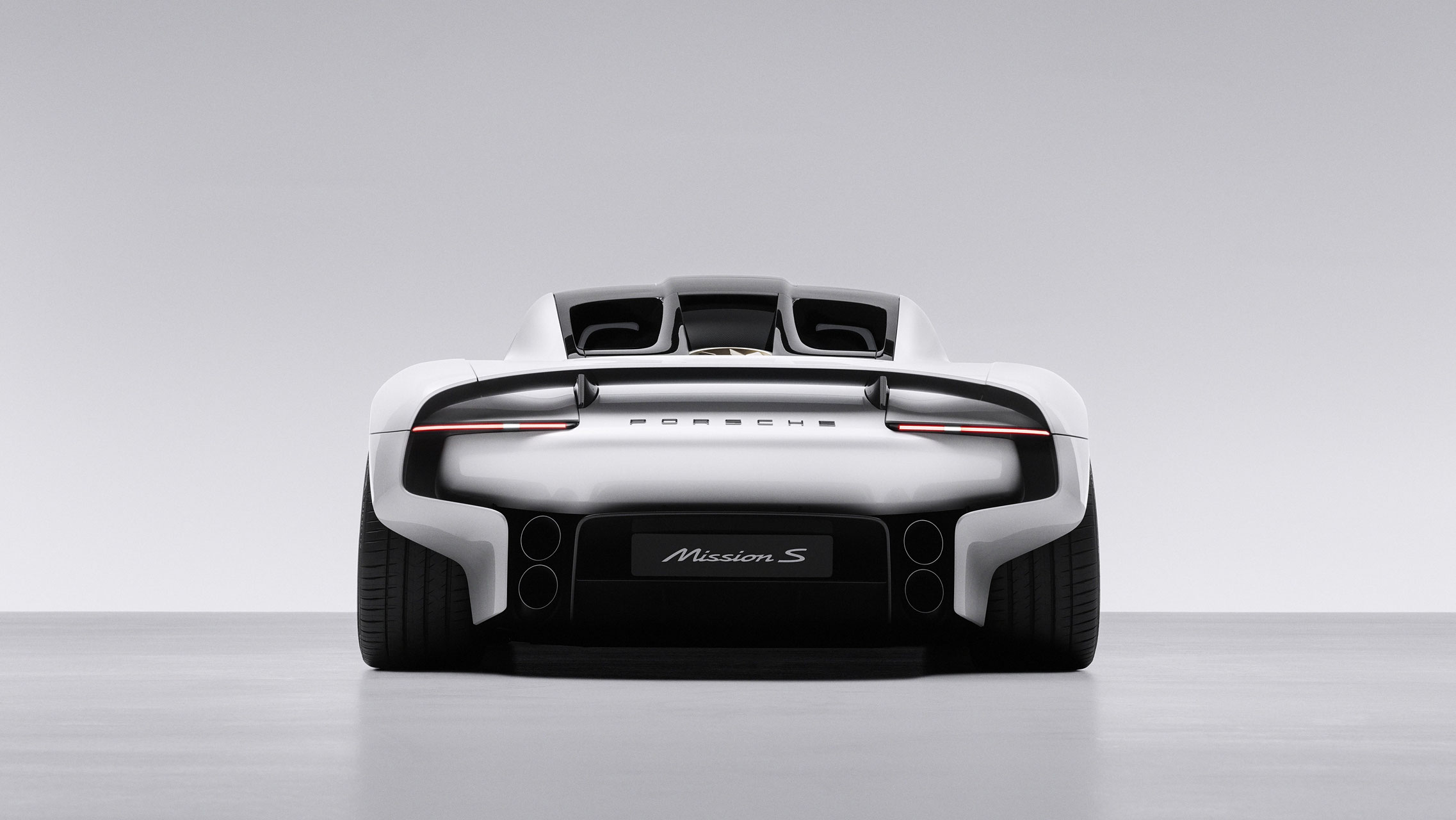
The exterior builds on what Porsche calls its three design terms of authentic, consequent, and timeless, with torpedo fenders, the familiar roofline, and a wide, low stance forming what the designers describe as floating volumes. A single main line wraps the car and connects the front and rear light signatures, with the surfaces above it handling the muscular shapes and the areas below exposing technical functions and the lightweight construction. The round headlights and fenders reference the 911, the shut lines that run into the light graphics reference the G-model 911 of 1974 to 1989, the flat nose comes from the 911 GT1, and the roofline under the rear wing references the 959 and runs through to the tail. The car-in-car rear section is also derived from the GT1. The engine sits centrally, the cooling solution references the 917’s radiator fan, the active rear wing is fully integrated into the body, and the wheels reinterpret the 928’s dial design with an emphasis on low weight.
Inside, the architecture draws on the 550 Spyder and 356, with two defining lines running through the dashboard and doors and a mix of physical switches and digital displays. The seats integrate the seatbelt buckle into the center panel and relocate the power adjustment controls. Porsche developed four colors for the show car, Firn White Metallic, Light Red Metallic, Black Chrome, and Special Black for the interior, as a reinterpretation of its white, gray, and red racing colors.
The instrument cluster uses five tube-style gauges behind the wheel, with a central tachometer that pairs an analog needle with a display behind it. The tachometer moves closer to the driver in certain drive modes, and the tubes rearrange themselves side by side or in depth depending on the mode selected. The key sits in a holder to the left of the steering wheel, dashboard controls use a push-pull action for comfort and driving functions, and the Sport Chrono element has been redesigned. There is no fixed center display and no passenger display. A retractable MagSafe-compatible smartphone mount handles navigation and information when needed, and the My Porsche app controls vehicle functions and offers historically inspired designs for the round gauges.
GalleryPhotos by Porsche