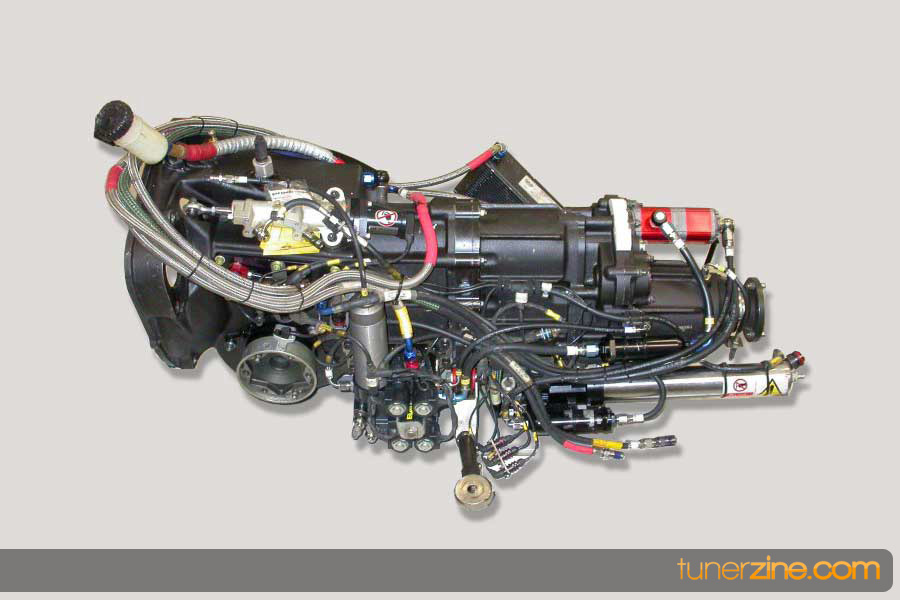
Audi calls it “S-Tronic,” Toyota calls it “MultiMode,” Fiat calls it “Speedgear,” and at Ford it’s called “Durashift EST.” These are all different names that all refer to the same kind of technology. More generically, it’s called “semi-automatic” transmission, and what it really means is “clutch less manual,” which is not the same thing as the “Tiptronic” technology used by some of the same manufacturers that allows the driver of a truly automatic car some control over up shifting and down shifting.
Whatever you call it (and there are many more names for this technology than those listed above), a semi-automatic transmission uses electronic sensors, actuators and processors to shift gears as the driver directs. The electronics take the place of the clutch pedal, which, as those familiar with driving stick know, has to be depressed before a gear change can be made. The clutch is now controlled by the electronics, which synchronize with torque and timing necessary for quick, smooth gear shifting.
The concept of clutch less manual transmission was designed by European automakers in order to offer their customers a driving experience that was better overall, especially in cities where stop-and-go traffic caused by congested streets is normal.
There are two basic types of semi-automatic transmission in wide use. They are:
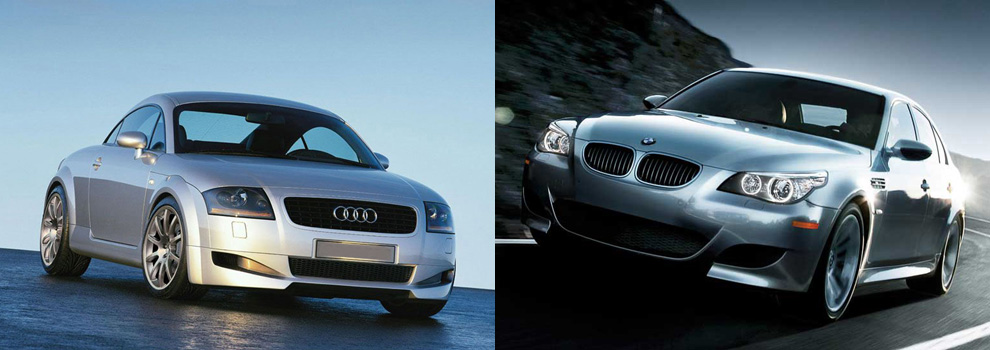
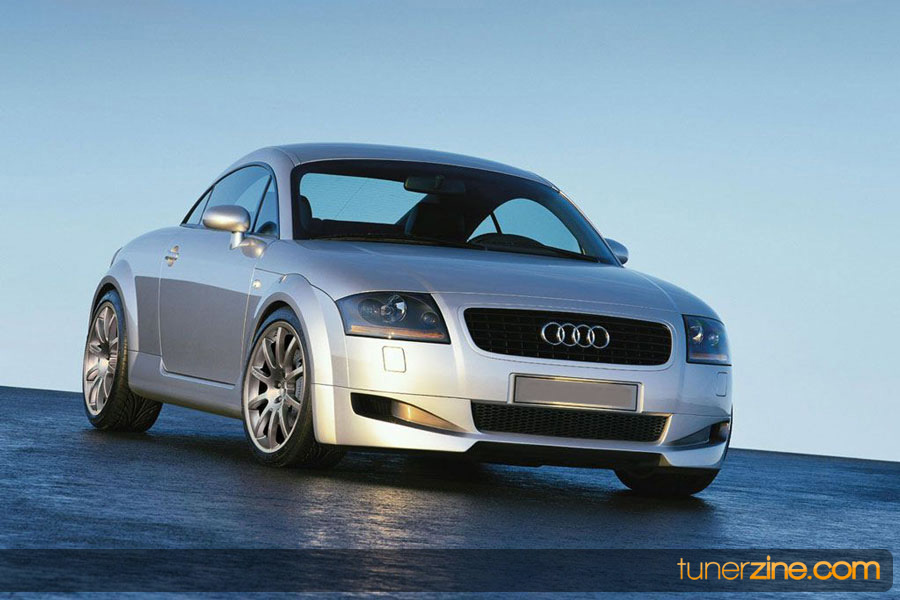
. Direct-Shift Gearbox (DSG): This system has two clutch packs driven by the engine. The inner clutch pack drives gears 2, 4, and 6, while the outer one drives gears 1, 3, 5 and reverse. Instead of a standard dry clutch, each pack is a collection of four small wet clutch plates that are interleaved. To save space, the assemblies are concentric. The alternate clutch’s gearing can be pre-selected allowing predictive shifts to take place while the other section is in use, which results in almost no unpowered time during shifting. DSG can upshift in 8 milliseconds. This is also known as a Twin-Clutch Gearbox or Dual Clutch Transmission (DCT). A dry-plate version of this technology is under development, but hasn’t yet been made available to the public. This is the clutch less system favored by the cars in the Volkswagen group.
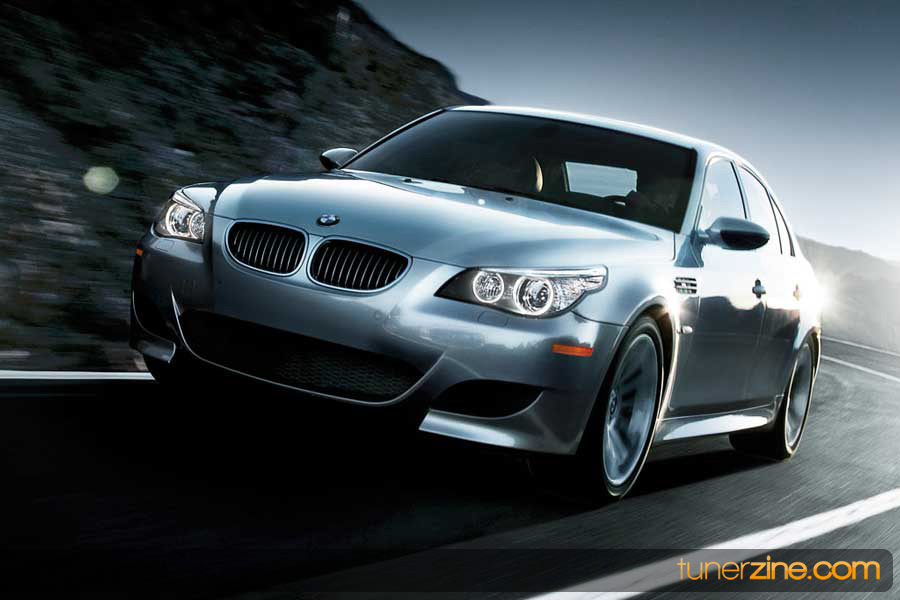
. Electrohydraulic Manual Transmission: This system is allows the driver to select their gear of choice even when the engine is operating near or at the redline, though some makers have limited this function. Many versions of this system limit up shifting and down shifting to one gear at a time, which is referred to as “sequential” mode. Unlike DSG there is only one clutch pack, giving most cars with this transmission handling that is not quite as smooth or fast as the gear shifting in the dual-clutch version. Manufactures using this version of semi-automatic transmission include BMW.
Both types of semi-automatic transmission allow cars to be driven without the need for torque converters (the clutch serves this function), and both are often used with Formula 1-style paddle shifters, paddles on either side of the steering wheel, that allow the driver to up shift or down shift without having to look down. In newer cars a digital display shows the current gear, as well.
Semi-automatic transmissions are generally found in performance models, and sport models, and are often an optional upgrade over a default manual transmission option.
GalleryPhotos by Manufacturer